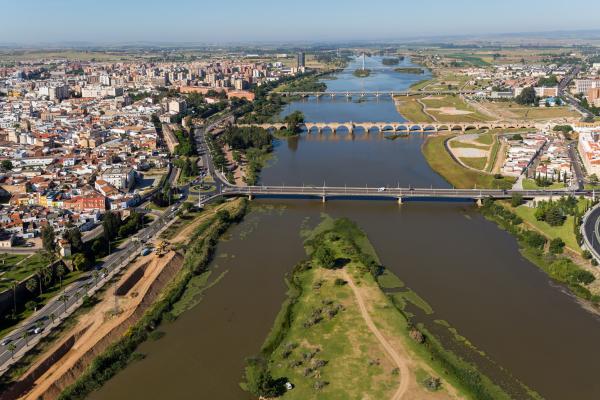
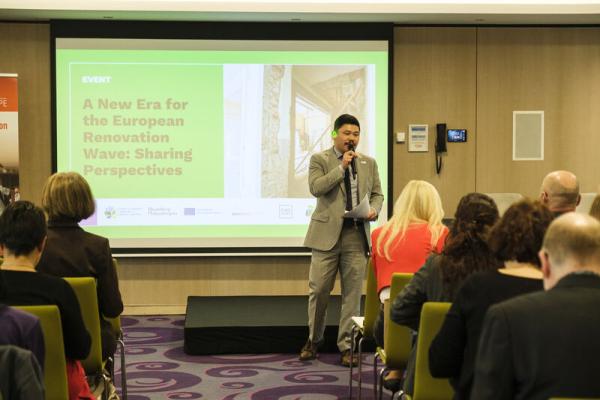
A recent event in Badajoz, Extremadura - where the Covenant of Mayors is not yet as embedded as in other Spanish regions - showcased the initiative's potential to enhance municipal energy and climate efforts.
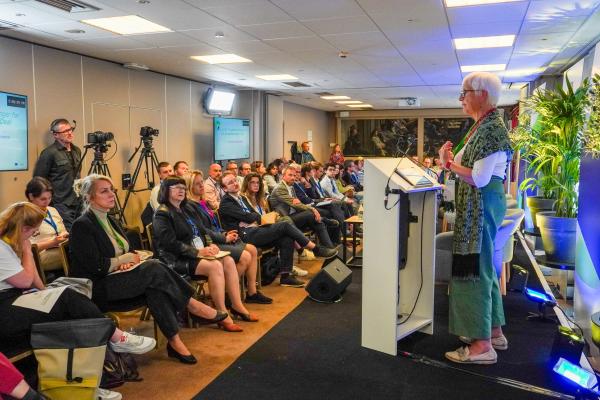
Decarbonising heating in cities starts with knowing one's heat through comprehensive heat mapping and planning. This year at EUSEW, we launched our campaign during a session on this crucial topic with insights from the EU to local level.
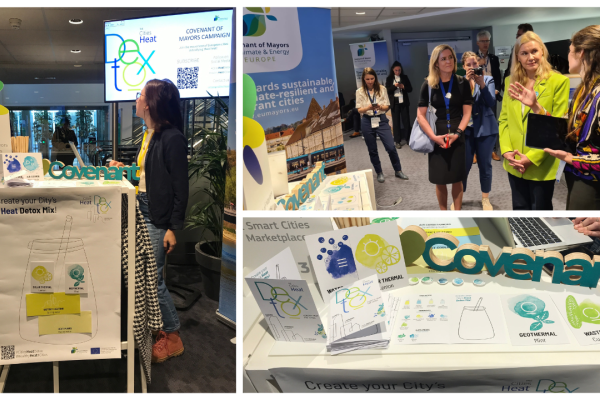
Yesterday, we launched a new and refreshing campaign: the Cities Heat Detox! Our goal is to embark on a journey together towards a healthier future by cleansing and revitalising heating and cooling in our cities. Let’s detoxify our cities’ heat together – join the campaign!
Discover how pre-commercial procurement (PCP) within Sustainable Energy and Climate Action plans can help municipalities streamline their climate change risk assessments and vulnerability analyses.
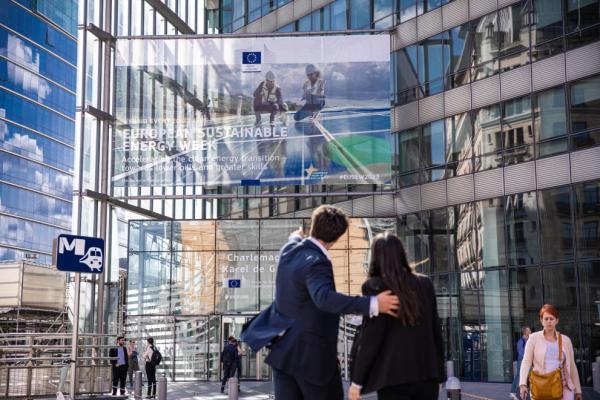
We’ve compiled a list of interesting sessions at this year’s EUSEW, where you can hear from the Covenant community and get the latest updates from the initiative. Meet us there!
The Island Council of Gran Canaria is leading in climate action in the Archipelago with the help of the Covenant of Mayors, offering vital support and training to municipalities for sustainable development and emissions monitoring.
Want to set up an energy community, but are not sure how to finance it or which models exist? Discover the initiatives, programmes and opportunities presented in our latest webinar that will help you finance an energy community in your city or town!
Tackling emissions from the building sector is imperative and presents an opportunity for cooperation between the EU, national and subnational governments. Cities therefore play a key role in delivering and harnessing the benefits of fossil fuel-free and energy efficient buildings.
The EU Policy Lab (Joint Research Centre, European Commission) just started collecting citizens' and stakeholders' real-life experiences in relation with water, in any of its aspects.